Description
Description
DisplayPort to DVI Female Adapter Cable | DP to DVI FEMALE
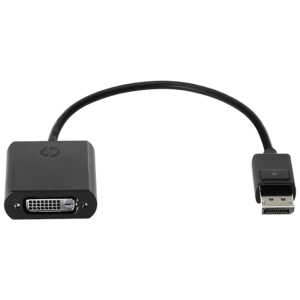
The DisplayPort to DVI Female Adapter Cable is a passive-to-active hardware signal bridge designed to adapt a native digital DisplayPort (DP) output source to interface with existing DVI display infrastructure. This short pigtail converter is a staple component in multi-display enterprise workstations,…
Key Features
- The DisplayPort to DVI Female Adapter Cable is a passive-to-active hardware signal bridge designed to adapt a native digital DisplayPort (DP) output…
- This short pigtail converter is a staple component in multi-display enterprise workstations, retail point-of-sale systems, and technical editing bays, letting users breathe…
- Finished in a highly resilient, matte black protective polymer jacket, the adapter incorporates a flexible short-cable lead that absorbs mechanical vibration and…
- The female receiver terminal utilizes a standard DVI-D dual-link interface matrix that preserves raw digital frame transmission data from source to screen,…
- Specifications Feature Specification Product Category DisplayPort (Male) to DVI (Female) Unidirectional Interface Video Bridge Chassis Color & Material Matte Industrial Black, Flame-Retardant…
Product Details
The DisplayPort to DVI Female Adapter Cable is a passive-to-active hardware signal bridge designed to adapt a native digital DisplayPort (DP) output source to interface with existing DVI display infrastructure. This short pigtail converter is a staple component in multi-display enterprise workstations, retail point-of-sale systems, and technical editing bays, letting users breathe new life into high-investment legacy DVI monitors by pairing them with modern graphics cards and docking equipment.
Finished in a highly resilient, matte black protective polymer jacket, the adapter incorporates a flexible short-cable lead that absorbs mechanical vibration and prevents heavy, rigid monitor cords from bending your host machine’s internal electronics. The female receiver terminal utilizes a standard DVI-D dual-link interface matrix that preserves raw digital frame transmission data from source to screen, yielding artifact-free clarity at resolutions up to 1080p Full HD (1920×1080 pixels) or 1920 \times 1200 at a stable 60Hz refresh rate.
Specifications
| Feature | Specification |
| Product Category | DisplayPort (Male) to DVI (Female) Unidirectional Interface Video Bridge |
| Chassis Color & Material | Matte Industrial Black, Flame-Retardant ABS Polymer Shell |
| Form Factor Profile | Short Pigtail Extension Lead (Approx. 15 cm to 20 cm cable span) |
| Input Source Interface | 1× DisplayPort (DP) 20-Pin Male Connector Plug |
| Output Target Interface | 1× 24+1 Pin Dual-Link DVI-D Female Receiver Socket Block |
| Maximum Video Resolution | Up to 1920×1080 pixels (1080p Full HD) or 1920×1200 |
| Refresh Rate Profile | Standard 60Hz across all natively tracked resolutions |
| Signal Transmission | Pure Uncompressed Digital Video Pass-Through Only |
| Setup Configuration | 100% Native Driverless Plug-and-Play Integration |
| Power Infrastructure | Purely bus-powered via host source connection (Draws zero active watts) |
| System Compatibility | Universal hardware integration across Windows, macOS, Linux, and ChromeOS |
Before You Order
Please confirm the model, specifications, size and compatibility shown in the product details before ordering. Availability and supplied configuration may vary.
Buy DisplayPort to DVI Female Adapter Cable | DP to DVI FEMALE in the UAE
Order from OfficeShark for professional office supplies, technology and business equipment across the UAE.